
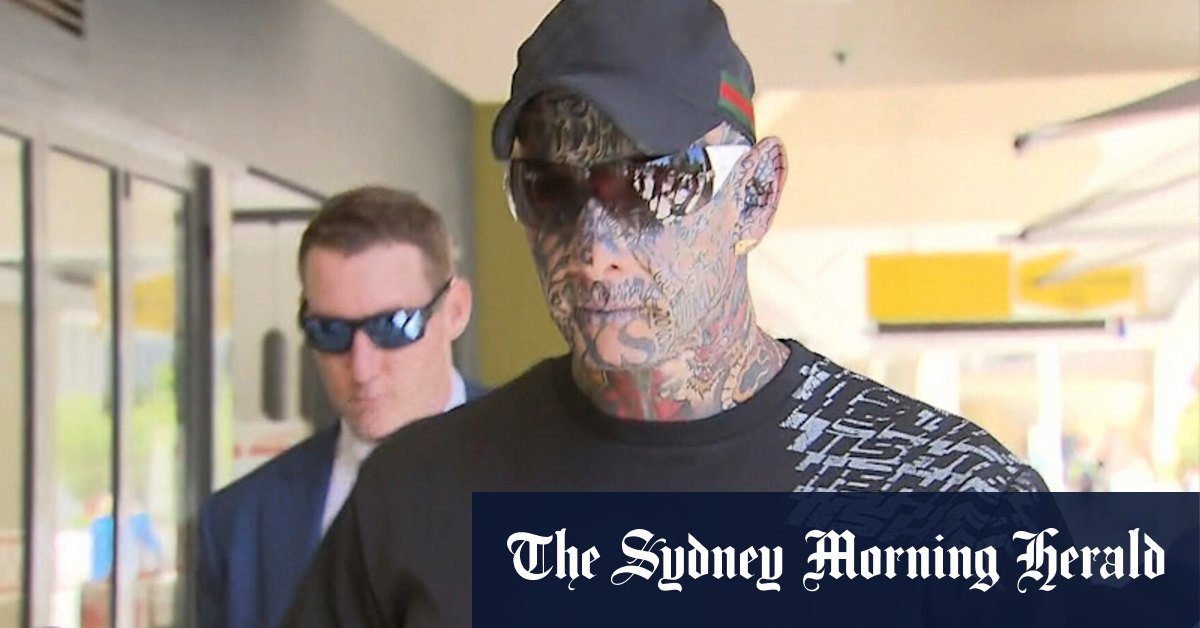
“Young men are attracted to biker clubs because of the display of being an outlaw motorcycle gang to have the insignia on display as power, the display of numbers,” he said.
Loading
“It’s about breaking down that sort of culture and making sure that display of violence in the community is not tolerated and is not acceptable, and I think this thing sends a strong message to outlaw motorcycle gangs.”
The third aspect of the new laws would give police the power to disperse gang members who gather in public places.
Police can issue a notice to gang members prohibiting them from socialising with other gang members named in the notice for a week.
A breach of the notice can attract a 12-month prison sentence and a fine of $12,000.
The laws come after a tumultuous year for Perth’s bikie landscape that escalated in December last year with the assassination of former Rebels boss Nick Martin in full view of the public and children at the Perth Motorplex.
Attorney General John Quigley said the laws represent the toughest and most comprehensive reforms to fight organised crime of all Australian states and territories.
“With this suite of reforms, we’re unapologetically turning Western Australia into the most unappealing jurisdictions for offenders and criminal organisations to operate or expand their criminal activities,” he said.
“Forty-six organisations, including outlaw motorcycle gangs from right across Australia, their affiliate gangs or ‘feeder clubs’ and street gangs, have been captured and explicitly named in the legislation as part of the new prohibited insignia offence.
“These organisations and their patches are designed to show affiliation with criminality and intimidate others, including law-abiding citizens in our community. This will cease once these laws are in place.”
Opponents of anti-consorting laws across the country say they are inconsistent with basic human rights and open to misuse.
A 2016 report by the New South Wales Ombudsman into that state’s anti-consorting laws found that NSW Police changed the scope of the laws to extend it to all criminal offences rather than just organised crime, which was the original intention of the laws.
The Ombudsman found this left vulnerable populations exposed to the laws, with Aboriginal people making up 44 per cent of the people targeted by the laws when they were being applied by general police officers.
WA top cop tells bikies to ‘wear makeup’ as club tattoos to be banned in nation-first laws
Source: Philippines Alive


