
Despite an extended decline in road traffic in the first stages of the pandemic, the number of crashes attended by emergency services remained about the same for the past 24 months.
Loading
Wild weather has tested emergency services in eastern states over the past two years, after an intense drought began to ease in 2019 with the onset of a La Niña weather cycle that brings higher than average rainfall and an increased risk of cyclones.
Emergency service workers in NSW cumulatively spent more than 400,000 hours attending to floods, storms and other natural disasters in 2020-21, up from 166,000 hours the year before. Victorian emergency responders spent a cumulative 40,000 hours attending floods, storms and other disasters in 2020-21, up from 22,000 hours in 2018-19.
A report last week from Deloitte Access Economics, which analysed the economic cost of natural disasters, such as floods, fires, coastal damage, heatwaves and other catastrophes, found almost all public expenditure on natural disasters in Australia went on the recovery phase, with just 3 per cent invested in preparation and mitigation.
Loading
That research, commissioned by Andrew Forrest’s philanthropic Minderoo Foundation, estimated natural disasters had cost $120 billion over the past 50 years but, with escalating impacts from global warming, that bill is expected to hit $150 billion over the next decade and keep rising to $1 trillion by 2050 under business as usual.
It showed more investment to prepare for natural disasters, combined with action to reduce greenhouse gas emissions, can save $380 billion in gross domestic product over the next 30 years.
Natural disaster preparation would include more investment in retarding basins and levees to reduce flood damage, preparing housing stock for more intense cyclones in northern Australia, and enhanced building standards for bushfire mitigation.
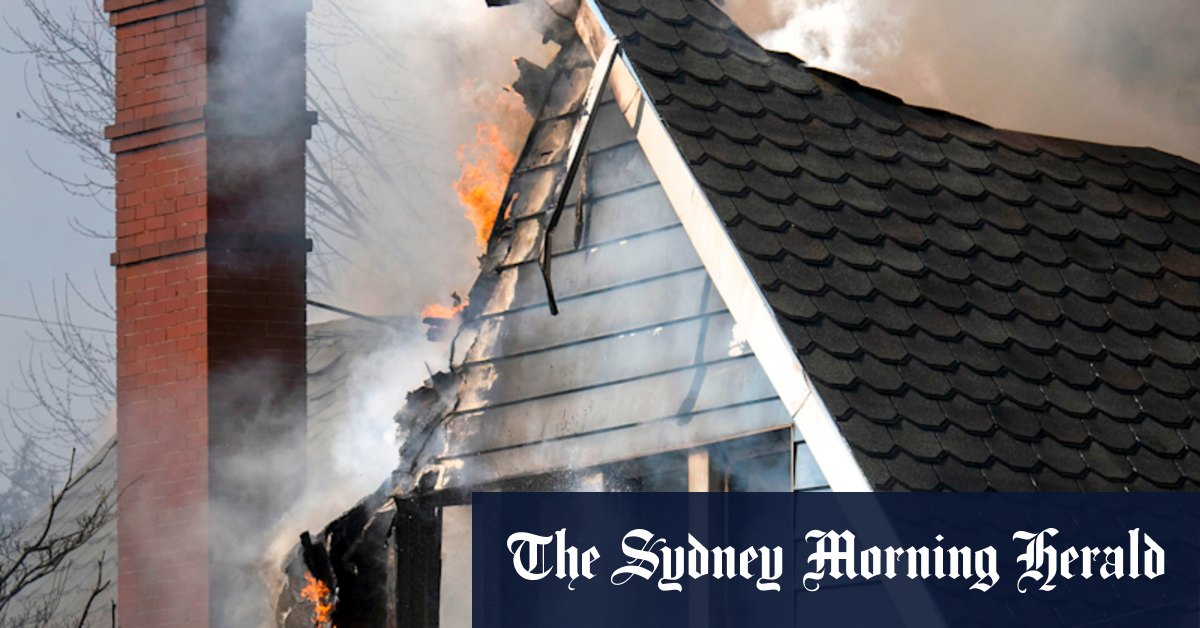
Fewer building fires but wild weather stretches emergency services crews
Source: Philippines Alive


