
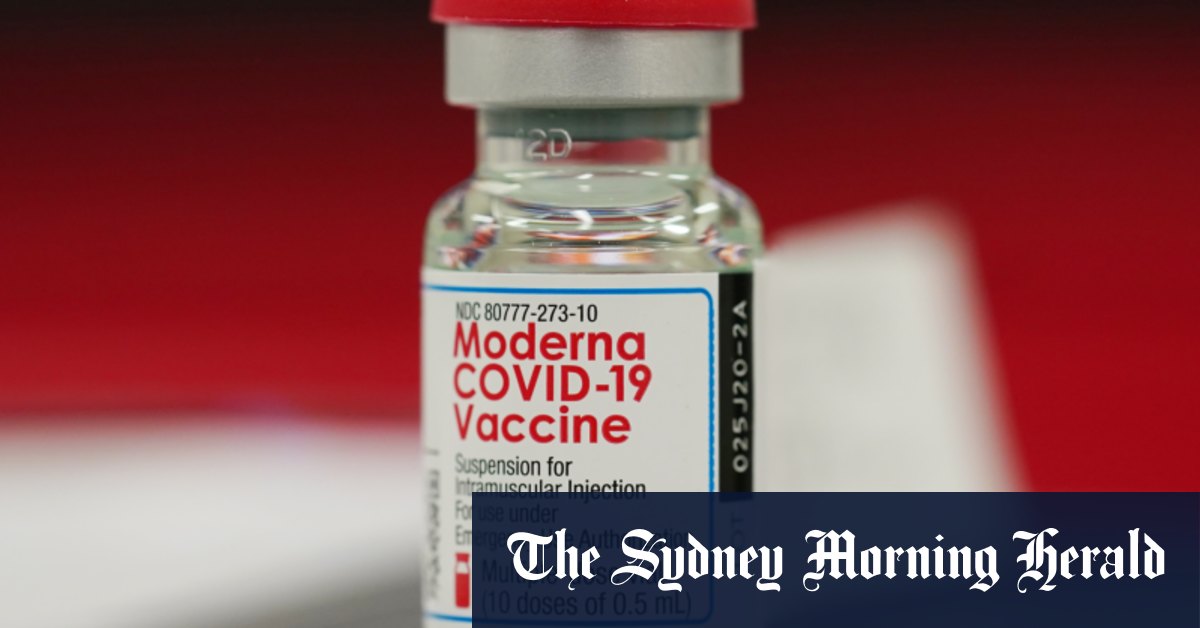
Disability advocates say poor vaccination coverage is part of a wider failure by governments to protect some of the nation’s most vulnerable during the pandemic and will on Thursday launch a campaign calling for a COVID Recovery Plan for people with disability.
“COVID-19 isn’t over, and for many people with disability, the current lifting of public health measures is causing significant distress,” advocates said in a joint statement by eight groups including the Australian Federation of Disability Organisations.
“People with disability have experienced fear, illness, isolation, neglect, and death over the two years, with our needs often forgotten during COVID-19.”
NDIS Minister Linda Reynolds said the government had continued to adapt its response to the pandemic for NDIS participants.
“We already have a plan in place to ensure both COVID-19 vaccinations as well as winter flu vaccinations are delivered to NDIS participants and that plan is working,” the senator said in a statement.
“Consequently, we see vaccination rates amongst NDIS participants and workers amongst the highest in the world. We recognise that there has been complexities in ensuring some people with disability have the opportunity to access a COVID-19 vaccination.
“I have led work between the disability sector, providers and participants to understand the barriers, and how they can be addressed. As a result of the work we have done, Australia has been fortunate to see the number of infections and deaths of NDIS participants from COVID-19 much lower than the general population.”
McAlpine said some families struggled to access sedation or appropriate facilities to ensure their loved one with intellectual disability could receive a vaccine dose.
Inclusion Australia submitted a report to the federal government six months ago warning of “consent confusion” among health professionals and disability service providers, saying the issue was “a major barrier for people with intellectual disabilities to get vaccinated”.
There was confusion around how to determine whether a family member may provide consent, with some asking the wrong person and a lack of awareness of legal options to compel vaccination, the advocacy group said in the 11-page report.
In February, the NSW Civil and Administrative Tribunal overruled family members unwilling to give consent for two men with disabilities aged in their 60s and living in group homes, enabling a group home manager and treating psychiatrist to facilitate the vaccinations.
In both cases, family members with decision-making power did not want their loved one to be vaccinated because they feared side effects, but the tribunal ruled they must not be deprived of essential medical care simply because they did not have capacity to consent.
The Council for Intellectual Disability says tribunal applications “should be considered if all reasonable attempts to obtain consent from a family member have been unsuccessful”, as people with disability have a right to be protected against COVID-19.
Greens disability spokesman Jordon Steele-John said the federal government “have failed disabled people at every stage of the pandemic, they quietly deprioritised us from the front of the vaccination roll-out schedule … and they haven’t provided people with information about the importance of getting vaccinated.”
Labor’s NDIS spokesman Bill Shorten said the Morrison government “has left people with disability behind at every stage of the pandemic and there’s no surprises they have forgotten to care for Australia’s children with disability as well”.
“Labor will promise that people with disability will never again be left at the back of the queue,” he said.
Anti-vax parents leaving children with disabilities unprotected from COVID-19
Source: Philippines Alive


