
“The arts sector contributes around $15 billion annually to our GDP. That’s about the same contribution to the economy as the sport sector, but it provides about 70,000 more jobs,” he said.
“Almost 200,000 people work in the arts, that’s four times the number of jobs of the coal mining industry. Imagine a pub without music, galleries without artwork, cinemas without films, bookstores without fiction.”
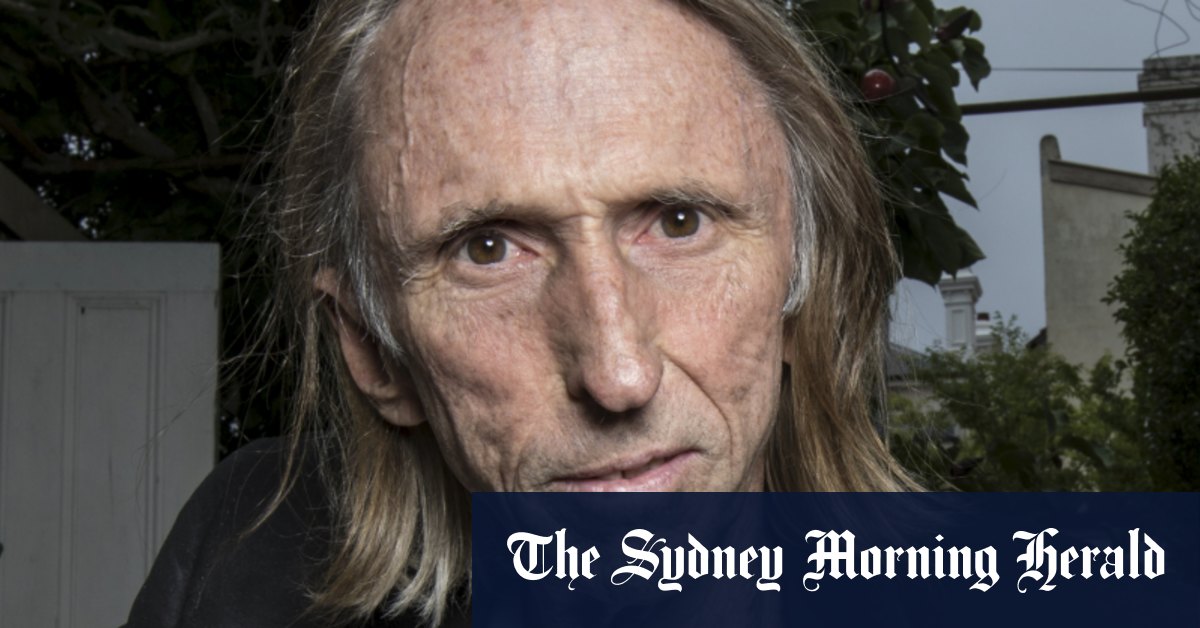
Iconic Australian artist Reg Mombassa said the policy would allow up-and-coming creatives to fund their passion instead of struggling to make ends meet.
“I know of many talented and hardworking artists, musicians and writers who have contributed to the cultural life of this nation but who would never have made a reasonable or sustained income from the sale of their work or from live performances,” Mombassa said.
“A modest wage for creative people would be a great way of solving this problem. It would enable many young, emerging or struggling older artists to concentrate on their work rather than having to scramble for part- or full-time jobs in order to survive.”
Two-time Academy Award-nominated documentary filmmaker David Bradbury also backed the policy.
Loading
“The most creative and potentially influential sector of our economy other than the straight scientists of all disciplines is the artistic sector – we are constantly challenging, probing, prodding, shocking society.” Bradbury said.
“In today’s fast inflationary world, $772.60 will quickly run out for a single income family of mum and dad and 2 kids at school. But it’s a bloody lot better than most of us earn in today’s fast polarising Australia between the rich and the poor.”
Cut through the noise of the federal election campaign with news, views and expert analysis from Jacqueline Maley. Sign up to our Australia Votes 2022 newsletter here.
Artists paid one-year wage to create works under proposed plan to revive the arts
Source: Philippines Alive


